Industrial
Clear Height, Racking, and the Fire Code
Why a warehouse's usable height depends on more than the sidewall.
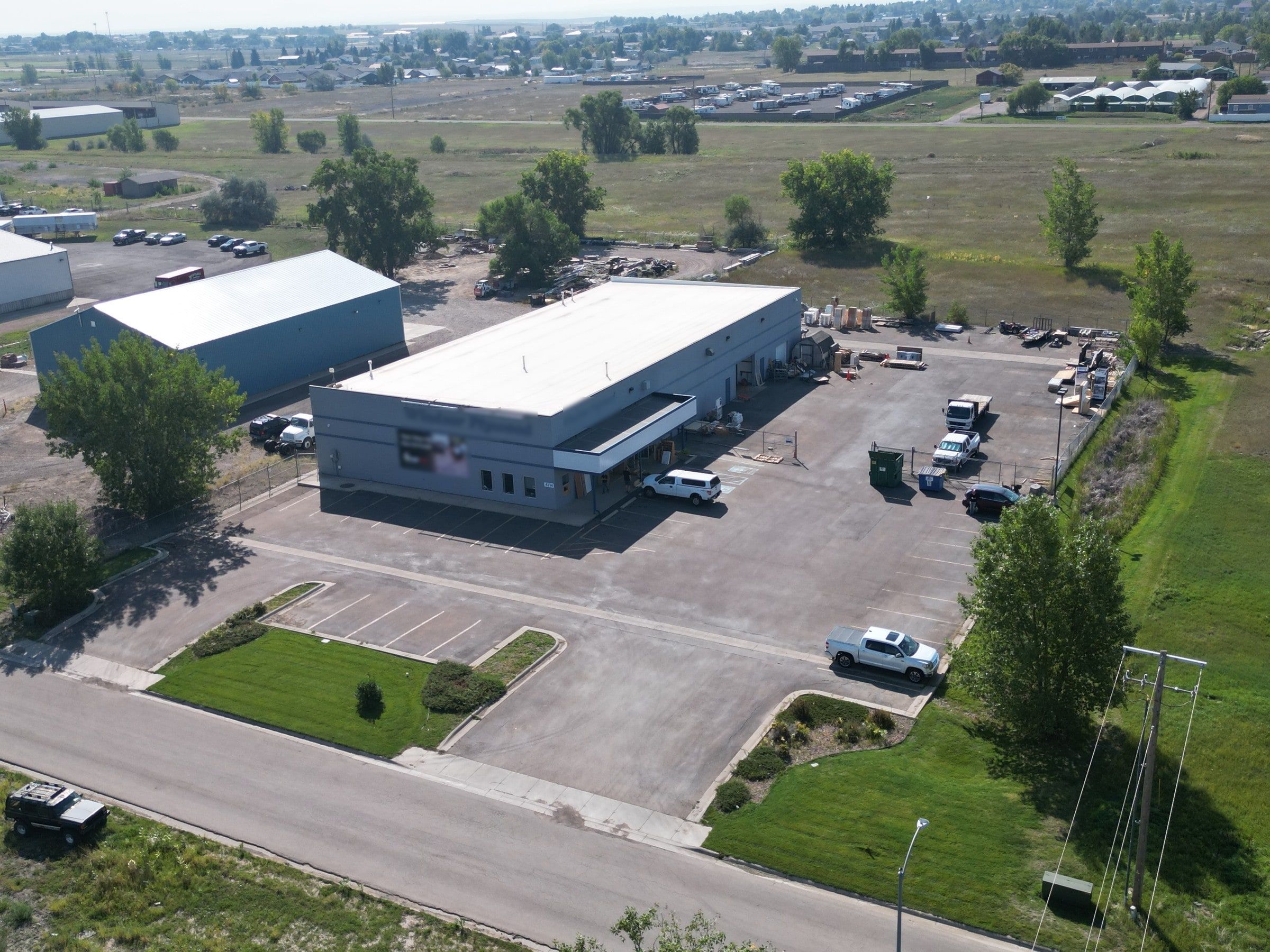
Ask an owner how tall their warehouse is and you’ll usually get the sidewall height. It’s also the least useful height in the building.
What a tenant or buyer cares about is how high they can actually stack product. That depends on what hangs from the roof, what the sprinkler system was designed for, and what the fire code allows. Together they can make a 24-foot building work like an 18-foot one.
What is the difference between sidewall height and clear height?
Sidewall or eave height is measured to where the roof meets the wall. Clear height is measured from the floor to the lowest thing in the way: the bottom of the joists or trusses, a sprinkler head, a light fixture, a heater, a duct. In a pre-engineered metal building with a sloped roof, clear height also changes across the floor. It’s lowest at the walls and highest at the ridge.
Joist depth, sprinkler branch lines, and hanging lights can eat a meaningful share of the height. When we inspect a warehouse, we measure to the lowest obstruction in the storage area, not to the roof. Racking turns that height into volume, and every pallet position lost at the top of the rack is capacity the building doesn’t have.
How does the fire code limit what a warehouse can store?
Montana adopts a statewide fire code by administrative rule, currently based on the 2021 International Fire Code. Incorporated cities and towns may adopt fire codes by reference, and the local fire department usually enforces them. Building codes run on a parallel track through the Department of Labor & Industry, with certified city and county programs enforcing them locally. A warehouse in Billings, Bozeman, Missoula, or Great Falls answers to that city’s officials. Editions and local amendments can differ, so the same building can be treated differently from one town to the next.
The part of the fire code that matters most here is the chapter on high-piled combustible storage. In plain terms:
- The trigger is height. Under the model code, combustible materials stored in piles, on pallets, or in racks above 12 feet are high-piled storage. For high-hazard commodities, such as Group A plastics, rubber tires, flammable liquids, and idle pallets, the threshold can drop to 6 feet.
- What’s stored matters. Commodities are classified from Class I through Class IV, plus high-hazard, based on the product, its packaging, and the amount and type of plastic involved. The same rack can be fine with boxed metal parts and a problem with plastic housewares.
- Protection scales with size. Requirements grow with the size of the storage area and the commodity class. They can include automatic sprinklers, fire detection, fire department access doors, and smoke and heat removal.
- Paperwork is part of it. The model code calls for an operational permit once high-piled storage exceeds 500 square feet, including aisles. Plans for high-piled storage show commodity classes, storage heights, and clearance to the sprinklers.
Then there’s clearance. The fire code requires storage to stay at least 18 inches below sprinkler deflectors in sprinklered areas, and at least 2 feet below the ceiling where there are no sprinklers. The sprinkler listing or NFPA 13 can require more.
The sprinkler sets the ceiling
A sprinkler system is designed for a particular hazard: a commodity class, a storage height, a storage arrangement, and a ceiling height. NFPA 13 ties the design to all of these. A system designed for ordinary storage at modest heights may not protect higher racks or a more hazardous commodity, even if the steel is tall enough.
Two buildings with the same clear height can function very differently. One has a system designed for high-piled storage. The other was sprinklered for light manufacturing. The second may need a new sprinkler design, a bigger water supply, or in-rack sprinklers before a tenant can use the full height. That can be expensive, and it isn’t always possible.
Local code officials have the final say on what a specific building can store.
How does clear height affect value?
Clear height is a functional utility question, and it shows up throughout a valuation:
- Comparable selection. A 16-foot building and a 24-foot building don’t compete for the same tenants.
- Rent. Taller, properly sprinklered space generally commands more rent from users who need cubic volume. Shorter space can lease fine to contractors, shops, and flex users who don’t.
- Cost to cure. If the building needs sprinkler upgrades to reach its physical height, that cost belongs in the analysis.
- Buyer diligence. A sophisticated buyer or tenant will ask for the sprinkler design data and walk the racking with a tape measure.
A short checklist
- Ask for clear height to the lowest obstruction, not sidewall height.
- Find the sprinkler design information, often on a placard at the riser, and what it was designed for.
- Note the commodities stored now and what a likely tenant would store.
- Check whether racking is in place and whether a permit covers it.
- Ask the local fire department about any open issues on the building.
- Compare against buildings with similar height and sprinkler capability, not just similar size.
Rove Valuations works independently for lenders, owners, investors, and attorneys across Montana, and we look at clear height and sprinkler capability as part of our industrial work. If you have a warehouse to value, or a question about one, get in touch.
Have a property that raises these questions?